There are three general classes of advance medical directives: the living will, the standard durable power of attorney for health care (DPAHC or DPA), and hybrid documents that combine elements of both the living will and the DPA.
A medical or health care power of attorney is a type of advance directive in which you name a person to make decisions for you when you are unable to do so. In some states this directive may also be called a durable power of attorney for health care or a health care proxy.
Full
AnswerDoes durable Poa include medical?
Feb 03, 2022 · by Alex Kincaid. Depending on where you live, these documents may be called a living will and powers of attorney for health care, a living will, or an advance directive. Whether you are rich or poor, it is imperative that you name your trusted medical decision-maker. The person you name to make medical decisions for you is called your health care “agent.”.
What is durable medical power of attorney?
Check out the specifics of a medical power of attorney compared to an advance directive in the table below: The agent’s duty is to make decisions about your medical treatment that are in compliance with your wishes. In some states, the MPOA also allows you to go into more detail about the treatment you want to receive or reject.
How to get medical power of attorney?
May 10, 2016 · A Pourover Will names your executors, just like a standard Will, however, the beneficiary of your Pourover Will is your Living Trust. This provides for the uniform administration of your estate when you pass away. Durable Powers of Attorney. A Durable Power of Attorney is a legal document that gives someone you choose the power to act in your place. In case you …
What is a health care power of attorney?
The wiser choice: a Medical Power of Attorney. A much better choice is a Medical Power of Attorney in which you appoint a trusted family member or friend to be your “agent” (called a “proxy” in some state advance directive laws). Your agent will make medical decisions for you in the moment of need if you are unable, either temporarily or permanently, to do so for yourself.
What are the 4 types of power of attorney?
AgeLab outlines very well the four types of power of attorney, each with its unique purpose:General Power of Attorney. ... Durable Power of Attorney. ... Special or Limited Power of Attorney. ... Springing Durable Power of Attorney.Jun 2, 2017
What's the difference between power of attorney and advance directive?
An advance directive provides a clear understanding of your health care wishes before you become unable to voice them, and a durable power of attorney makes decisions for you that you can no longer make.
What is the difference between a living will and durable power of attorney POA )?
At a high level, a Living Will is a legal document that clearly and explicitly states your wishes in regards to medical treatments and decisions. A Power of Attorney grants authority to someone you trust to act on your behalf.
What are the three types of advance directives?
Types of Advance DirectivesThe living will. ... Durable power of attorney for health care/Medical power of attorney. ... POLST (Physician Orders for Life-Sustaining Treatment) ... Do not resuscitate (DNR) orders. ... Organ and tissue donation.May 13, 2019
What are the three basic requirements of a valid will?
The general requirements for a valid Will are usually as follows: (a) the document must be written (meaning typed or printed), (b) signed by the person making the Will (usually called the “testator” or “testatrix”, and (c) signed by two witnesses who were present to witness the execution of the document by the maker ...
Can family override advance directive?
Healthcare advance directives should state both what you do want and what you don't want. ... You retain the right to override the decisions or your representative, change the terms of your living will or POA, or completely revoke an advance directive.Oct 2, 2018
Do I need a power of attorney if I have a will?
Indeed a power of attorney is vital for anyone – regardless of age – who has money and assets to protect and/or who wants someone to act in their best interest in terms of healthcare choices should they be unable to make decisions for themselves.Mar 26, 2015
Does a living will supercede a power of attorney?
A last will and testament and a power of attorney are two of the most common legal documents that authorize another person to take control of your affairs. Because these documents perform very different functions—even coming into effect during different circumstances—a power of attorney doesn't override a will.
Who can override a power of attorney?
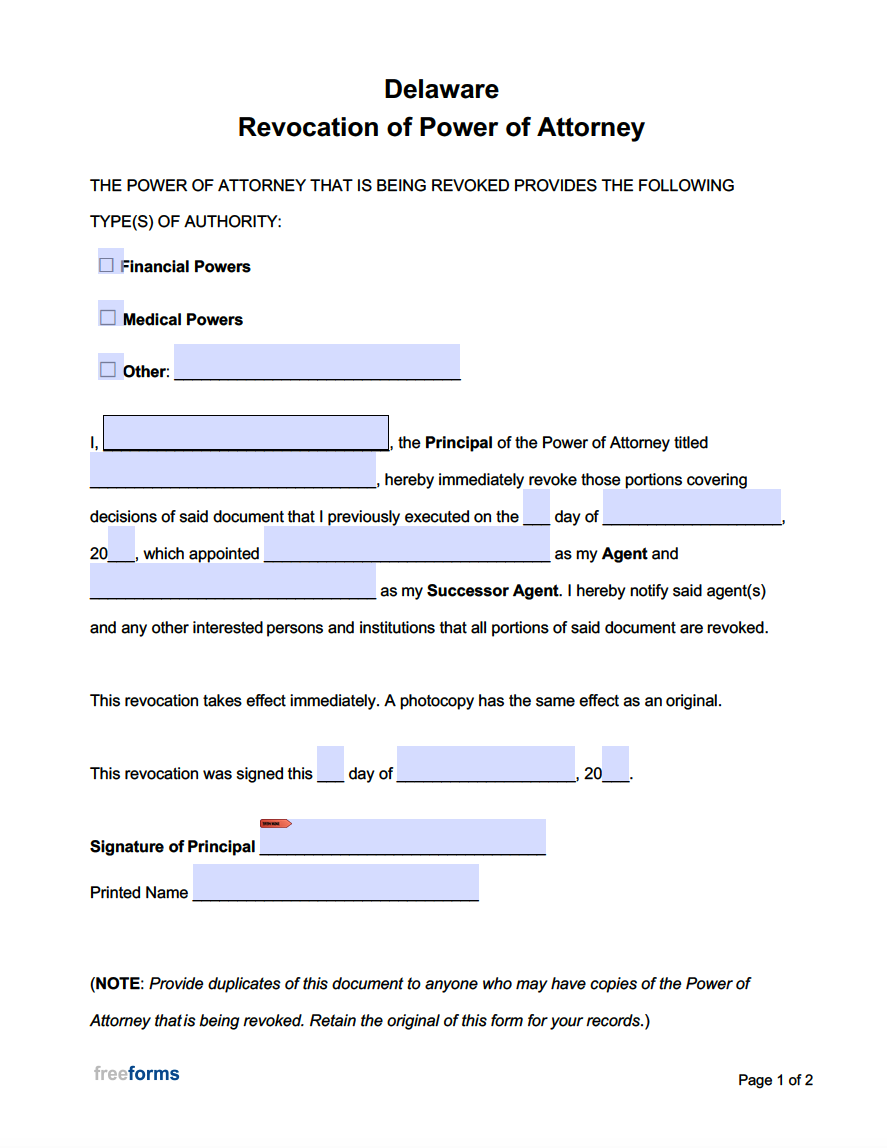
The Principal can override either type of POA whenever they want. However, other relatives may be concerned that the Agent (in most cases a close family member like a parent, child, sibling, or spouse) is abusing their rights and responsibilities by neglecting or exploiting their loved one.Nov 3, 2019
What are the 5 wishes Questions?
Five Wishes FAQIs Five Wishes a legal living will document? Yes. ... Why should I complete Five Wishes? ... When is the best time to complete Five Wishes? ... How will my doctor know that I filled out Five Wishes? ... Can I change my advance directive? ... What is life-sustaining medical treatment? ... What is a “do not resuscitate” order?
What should be included in an advance directive?
What to Include in Your Advance Directive. The name and contact information of your healthcare agent or proxy. Answers to specific questions about your preferences for care if you become unable to speak for yourself. The forms and questions asked vary a bit from state to state.
How do you do an advance directive?
How do you write an advance directive?Get the living will and medical power of attorney forms for your state, or use a universal form that has been approved by many states. ... Choose your health care agent. ... Fill out the forms, and have them witnessed as your state requires.More items...
What is a durable power of attorney?
A Durable Power of Attorney is a legal document that gives someone you choose the power to act in your place. In case you ever become mentally incapacitated, youll need what are known as durable powers of attorney, so that your agent can assist you without having to initiate an expensive court procedure (e.g. a conservatorship).
What is advance health care directive?
Generally, an Advance Health Care Directive is a document under which you give instructions about your own health care; you name someone else to make health care decisions for you, in the event that you cannot make them yourself; and you set forth your wishes regarding the administration of life support in the event that you are, for example, in a coma or persistent vegetative state. As with the other documents we have discussed, the Advance Health Care Directive is an extremely important component of your overall estate plan.
What is a will and testament?
A Will or Last Will and Testament is a legal declaration by which a person, the Testator, names one or more persons to manage his or her estate, and provides for the distribution of his or her property at death.
What is a dementia provision?
Uses very specific terminology regarding when you don’t want life-sustaining treatment and what other treatments you don’t want. Allows you to place limits on how long you would remain in a coma or persistent vegetative state.
What is a POLST form?
Physician Orders for Life-Sustaining Treatment (POLST) A Physician Orders for Life-Sustaining Treatment (POLST) form (formerly called the EMS – No CPR form) is intended for any adult, 18 years of age or older, with serious health conditions.
What is Wonderfile?
The Wonderfile provides a central place to store all necessary paperwork, and answers questions about what needs to be done to maintain control at the end-of-life and what plans need to be made.
What is a durable power of attorney?
A durable power of attorney is a health care proxy appointed by the patient that has the legal authority to participate in medical decision-making on the patient’s behalf.
What is a living will?
A living will is a type of health care directive that specifies your preferences about medical treatment if you're unable to communicate or make decisions and have a terminal condition. A durable power of attorney, or DPOA, for health care is a legal document that allows you to appoint another person to make health care decisions if you lack ...
What is spiritual care?
Spiritual Care. Advance directives are written statements regarding health care wishes that protect your rights if you are incapable of making medical decisions. An advance directive can refer to a document that outlines which medical treatments you may or may not want and specifies who you want to make medical decisions if you're unable.
Can a health care proxy be a witness?
The designated health care proxy cannot be a witness.
What does a spokesperson do when executing a living will?
Therefore, the patient’s spokesperson is able to make decisions about medical treatment that addresses unforeseen circumstances the patient encounters.
What is a living will?
A living will allows a patient to appoint a surrogate, known as a “power of attorney,” who is empowered to speak on behalf of the patient. The POA is needed in order to address the inherent limitations of living wills.
What is a DPA in healthcare?
A durable power of attorney for health care (DPA), sometimes called a health care proxy, simply transfers the responsibility for making medical decisions from the patient to another person when the patient becomes unable to make his own decisions. A DPA allows the appointed person to become the patient’s “attorney in fact.” Ideally this person will be someone who knows the Church’s teachings and shares his values regarding the sanctity of human life.
What is a pro life DPA?
The pro‑life DPA is a realistic and protective alternative for a person who rejects the utilitarianism of the living will and who does not want to place the burden of life‑or‑death decisions on a loved one or friend. There are currently several explicitly pro-life advance medical directives.
What is an AMD?
An advance medical directive (AMD) is a legal document that allows a person to specify the medical treatment he wants and does not want in case he becomes incapable of making his desires known. AMDs generally have four parts: Naming another person to act as your health care agent in the event you are incapacitated.
What was the purpose of the Society for the Right to Die?
The primary strategic objectives of some promoters of the living will were cost containment and the conditioning of the public to accept the withdrawal of life‑saving medical treatment.
What is the oldest medical directive?
The oldest and most extensively used type of advance medical directive is the “living will.” It instructs attending medical personnel about the patient’s wishes regarding their treatment if they become incapable of speaking for themselves and making their own medical decisions.
What is an advance directive?
An advance directive provides a clear understanding of your health care wishes before you become unable to voice them, and a durable power of attorney makes decisions for you that you can no longer make. Failure to enact both may leave you susceptible to health care decisions contradictory to your wishes.
Why use a durable power of attorney?
Use the durable power of attorney and advance directive in conjunction to ensure you receive the care you desire. Enacting only a durable power of attorney may leave you at the behest of the decision making of your elected representative. Clearly outline how the person charged with power of attorney is to proceed with your health care choices.
Who can make decisions as they please?
According to Legal Services for the Elderly, the person chosen to be your durable power of attorney, also known as the agent, may make decisions as they please as long as the decision fulfills their fiduciary duty to make good faith decisions on your behalf.
Who is Genevieve Jackson?
Genevieve Jackson has written for "10th Life" and "Double A Beauty" since 2005. She is an entrepreneur with experience in risk management. She also engages in motivational speaking for entrepreneurs. Jackson received a bachelor's degree in political science from the State University of New York at Buffalo.
What is an advance directive in Washington?
There are two types of advance directives in Washington state: 1) a durable power of attorney for health care and 2) a health care directive. The Honoring Choices PNW advance directive is a durable power of attorney for health care (DPOA-HC). The DPOA-HC is based on Washington state law (chapter 11.125 RCW). This legal form allows you ...
Who should share advance directives?
You should share your advance directive with people who matter to you—like your health care agent and loved ones—and your health care providers, clinic, and hospital.vance An ad directive should be updated regularly. All adults 18 and older can complete an advance directive.
What is standard care in Washington state?
Standard care in Washington state is to provide CPR to people if their heart and breathing stop. Sharing your CPR wishes on this DPOA-HC form can guide your “code status” if you are hospitalized.
What is a health care directive?
You may consider also completing a health care directive, which is a directive to withdraw or withhold life- sustaining treatment in specific situations under Washington state law.
What happens if you can't make your own health care decisions?
If you cannot make your own health care decisions, your health care agent will be asked to make health care decisions for you. Your health care agent can use the information you share in this advance directive and in conversations to guide your care.
What is a personal values statement?
A personal values statement is a summary of your goals, values, and preferences. This information can guide your medical decision maker on how to make decisions on your behalf. If this situation applies to you, initial next to this statement on Page 1 of this form: “I am not naming a health care agent.
What is advance care planning?
Advance care planning is thinking about what healthe car you might want in the future. This type of planning includes talking about, writing down, and sharing what is important to you. This helps others make health care decisions for you if you cannot make your own decisions.
Introduction

An advance medical directive (AMD) is a legal document that allows a person to specify the medical treatment he wants and does not want in case he becomes incapable of making his desires known. AMDs generally have four parts: 1. Naming another person to act as your health care agent in the event you are incapacitate…
The Living Will
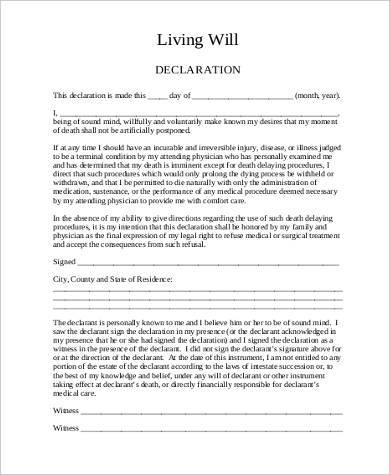
- The oldest and most extensively used type of advance medical directive is the “living will.” It instructs attending medical personnel about the patient’s wishes regarding their treatment if they become incapable of speaking for themselves and making their own medical decisions. Each state, including Puerto Rico and the District of Columbia, has its own law governing its living will …
Alternatives to The Living Will
- There are many different types of advance medical directives besides the living will, which is currently the most popular version. Unlike most living wills, these durable powers of attorney (DPAs) or hybrid documents do not require that the signer suffer from a terminal condition. A person signing a DPA should take great care that his surrogate or proxy shares his values regard…
Final Thoughts on Catholic Advance Directive Options
- The choices involved in end-of-life decisions can be overwhelming, and particularly concerning for the Catholic patient determined to live the end of his life ethically. An advance medical directive, especially a pro-life durable power of attorney, can protect concerned Catholics from euthanasia or objectionable treatments.
Endnotes
- Victor Hugo, History of a Crime (1877). Quoted in ALL about Issues, June‑July 1990, page 38. Derek Humphry, founder of the Hemlock Society, quoted in Leslie Bond. “Hemlock Society Forms New Organization to Push Assisted Suicide Initiative.” National Right to Life News, December 18, 1986, pages 1 and 10. Father Tadeusz Pacholczyk of the National Catholic Bioethics Center, Bos…
Popular Posts:
- 1. how to file for divorce in florida without an attorney
- 2. how to get power of attorney in nj
- 3. how to research an attorney track record
- 4. how to choose an attorney
- 5. how to fight attorney fees
- 6. which excerpt from part one of trifles most develops the motives of the county attorney?
- 7. how to find a pro bono attorney
- 8. what type of software can your parents use to create a will without visiting an attorney?
- 9. who is my district attorney
- 10. how to get power of attorney for parent with dementia